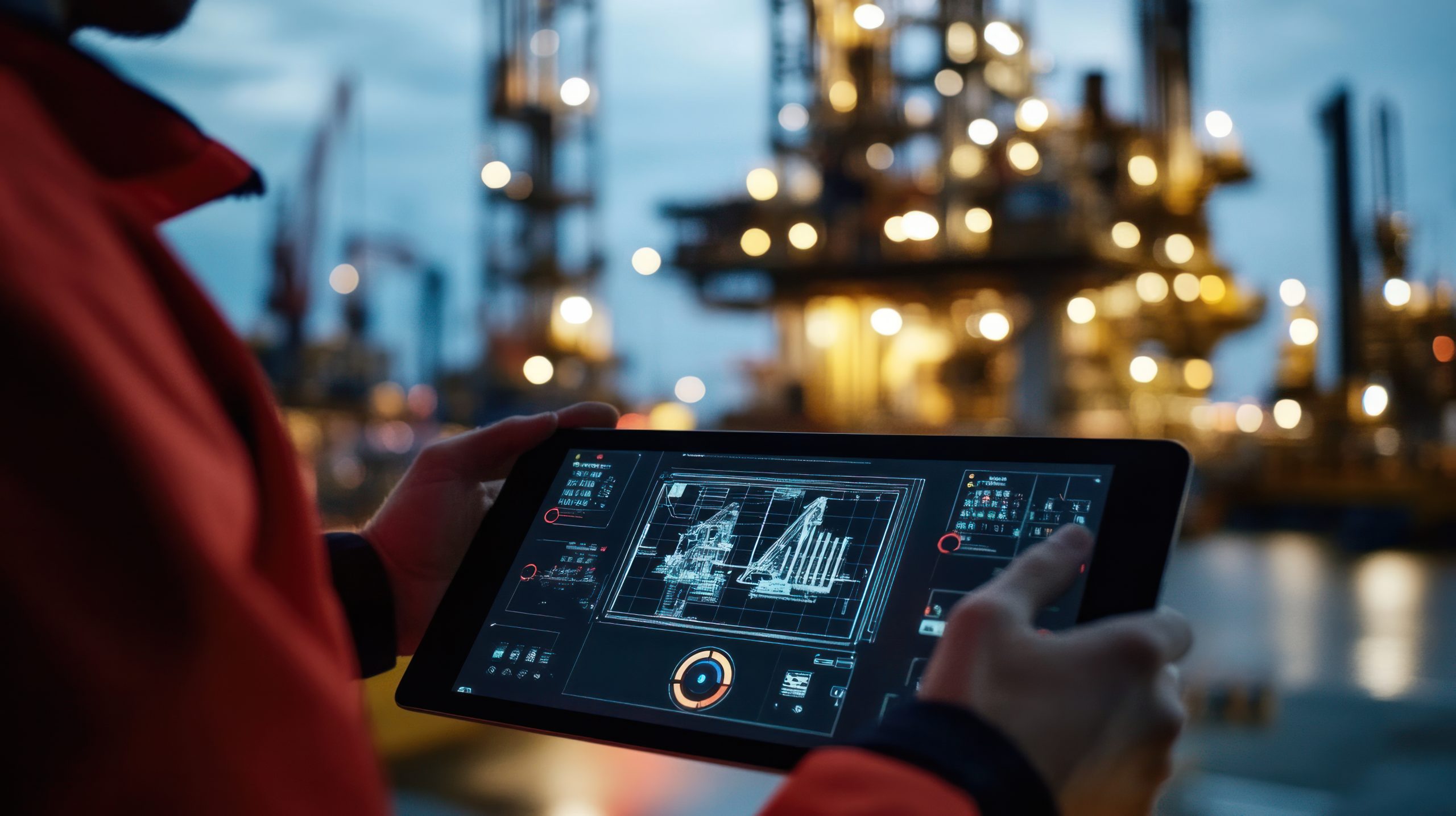
A leading drilling operator faced persistent Non-Productive Time (NPT) across multiple rigs. Engineers lacked a unified view of operational data—rig state logs, drilling parameters, daily reports, and well logs were stored in disconnected systems. Root-cause analysis was slow, manual, and reactive, leading to costly delays, inconsistent drilling performance, and reduced operational efficiency across the fleet.
Frame stepped in provided a new NPT analytics solution delivered measurable operational improvements, reducing delays and improving consistency across the fleet.
14% reduction in NPT-related delays across the monitored rigs
Improved drilling consistency with benchmark visibility across crews and rigs
Fewer unplanned incidents, driven by earlier detection of high-risk conditions
Faster decision-making, reducing time spent on manual reporting and analysis
A scalable analytics and model foundation to support ongoing drilling optimization
THE SITUATION: Drilling operations generate massive amounts of real-time data, but much of it was inaccessible or not structured for analysis. Engineers manually aggregated reports, relying on spreadsheets and retrospective documentation. Crew-to-crew variability created inconsistent rig performance, and the absence of standardized analytics made it difficult to identify high-impact NPT drivers. Without predictive intelligence, the operator struggled to detect risk early or intervene proactively.
THE PROBLEM: The operators faced several visibility, integration, and process challenges that hindered its ability to reduce NPT, including:
Manual aggregation of rig data from multiple sources
Limited visibility into patterns that drive NPT events
Difficulty identifying root causes across equipment, procedures, and formation issues
Delayed decision-making due to static reports and spreadsheet-driven workflows
No standardized analytics to benchmark performance across rigs and crews
The Frame Solution
Frame deployed a unified, real-time NPT analytics platform that integrated rig data, introduced machine learning–driven insights, and enabled proactive decision-making for drilling engineers and supervisors.
Integrated rig sensor data, daily drilling reports, and well logs into a unified Lakehouse environment
Built a real-time NPT classification model using machine learning
Implemented automated rig state detection for higher accuracy
Delivered dashboards that identified root causes (equipment, human error, formation variation, procedural deviation)
Built predictive indicators for early-warning alerts and operational noncompliance